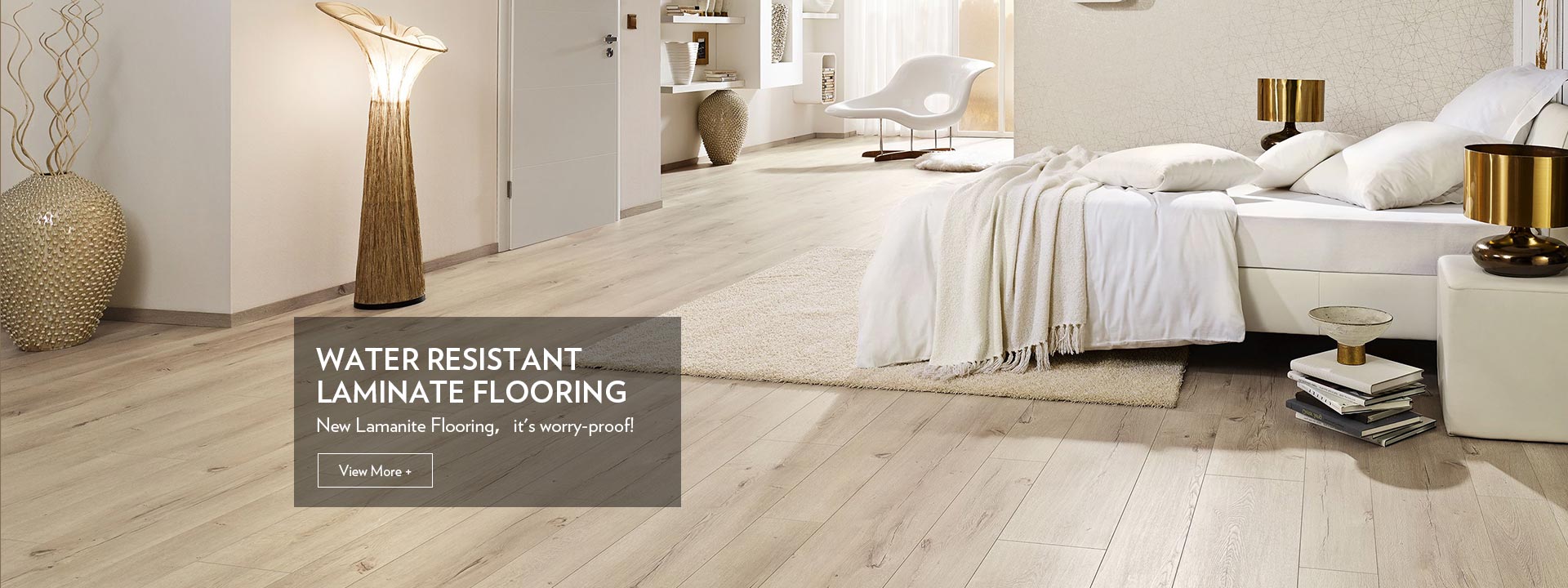



As the global construction and interior design markets continue to evolve, the flooring industry is entering a new phase of transformation in 2026. Driven by sustainability, material innovation, and changing consumer lifestyles, flooring products are no longer just functional building materials—they are becoming an essential part of healthy, aesthetic, and future-ready living spaces.
Sustainability Becomes the New Standard
In 2026, sustainability is no longer a trend—it is a requirement. International markets, especially in Europe and North America, are placing stronger emphasis on low-VOC emissions, recyclable materials, and transparent carbon footprints. Flooring products that meet certifications such as FloorScore, GREENGUARD, CARB II, and E0 standards are gaining a clear competitive advantage.
Manufacturers are increasingly adopting recycled and eco-friendly raw materials, while designing products that support circular economy concepts such as reusability and responsible end-of-life disposal. Green flooring is not only better for the environment, but also a key factor in winning trust from global buyers.
Resilient Flooring Continues Strong Growth
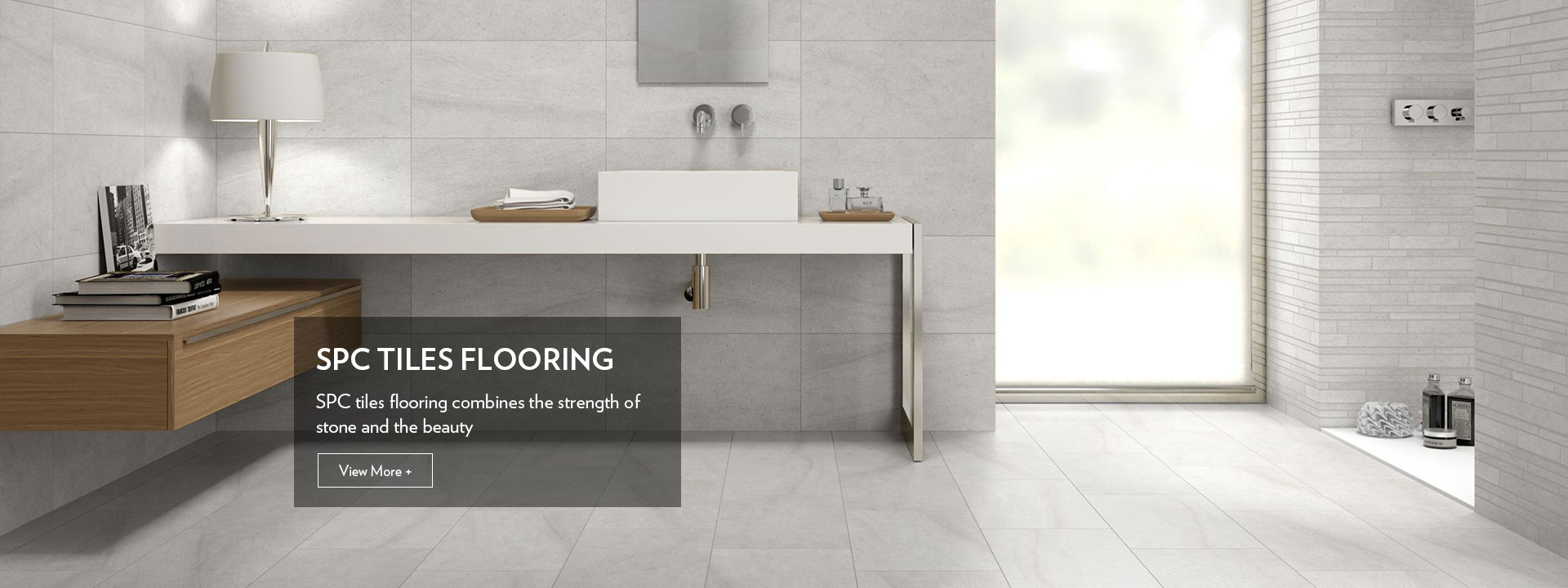
Resilient flooring categories—including SPC, LVT, and WPC—remain the fastest-growing segments worldwide. Thanks to their waterproof performance, durability, and easy installation, these products are widely used in residential, commercial, and renovation projects.
In 2026, next-generation solutions such as SPC 2.0, hybrid composite cores, ultra-wide planks, and enhanced surface technologies are redefining performance standards. Features like scratch resistance, sound insulation, antibacterial surfaces, and anti-static properties are increasingly requested for offices, healthcare facilities, hospitality projects, and data centers.
Design Moves Toward Natural and Warm Aesthetics
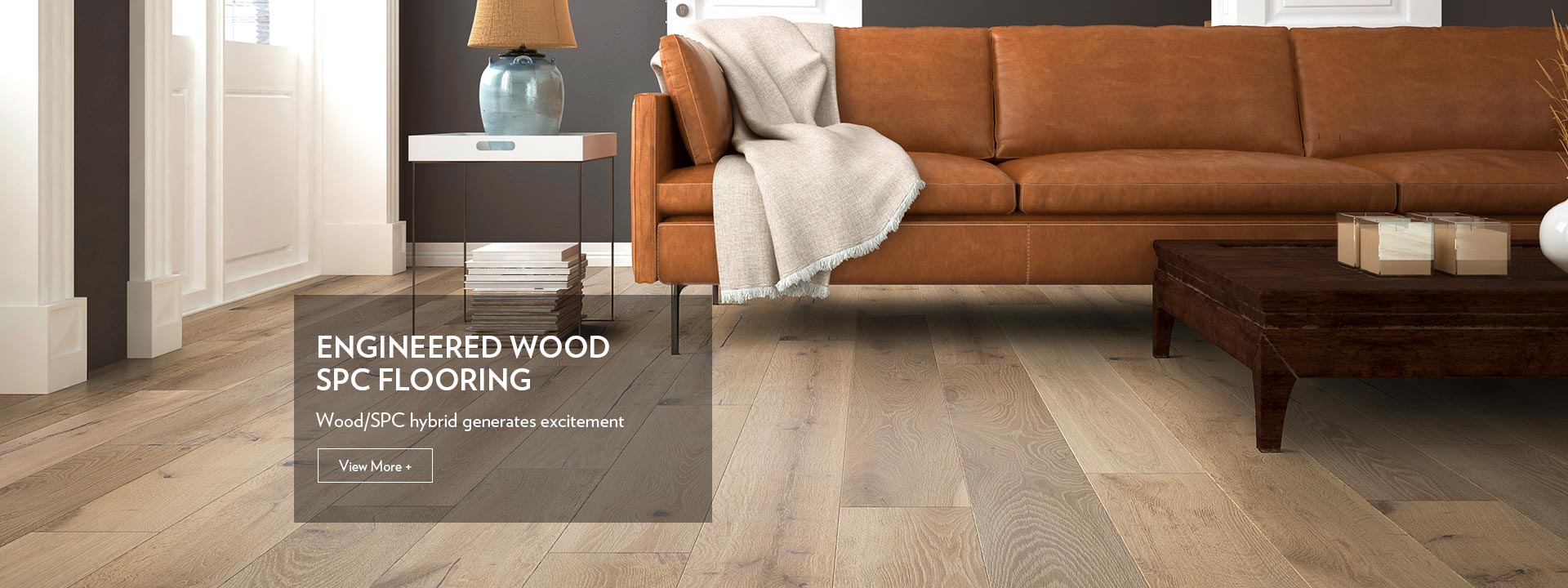
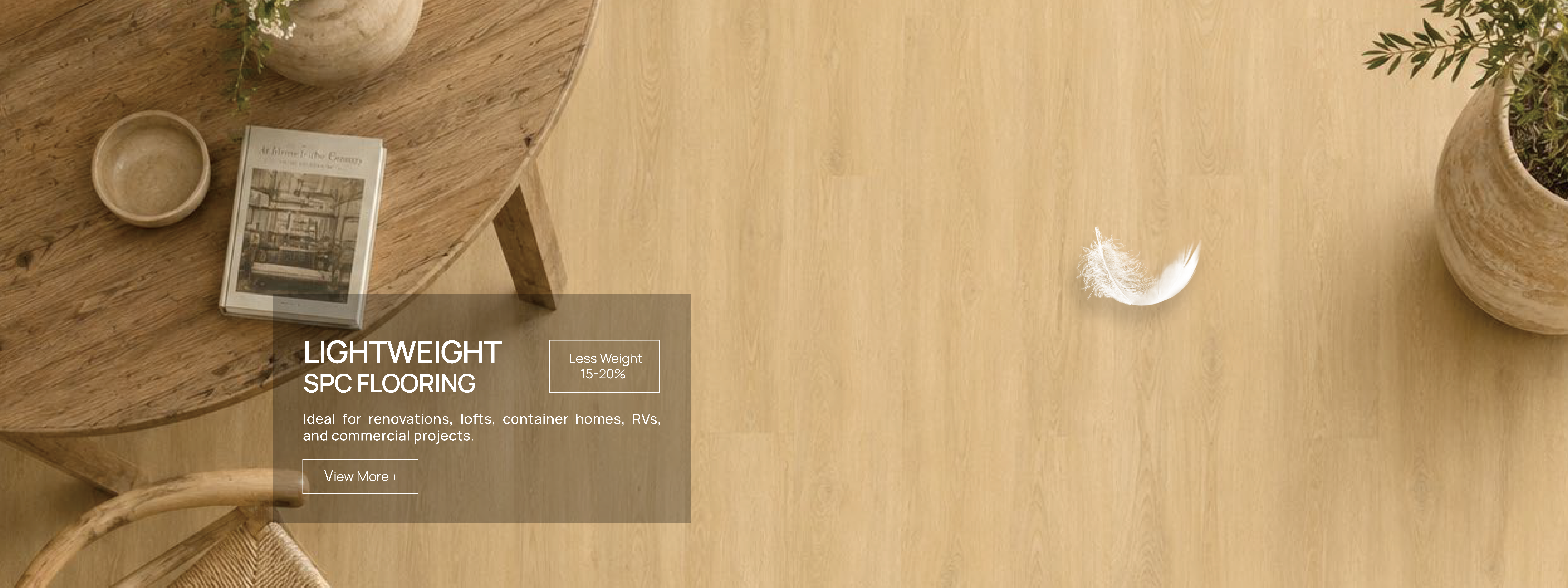
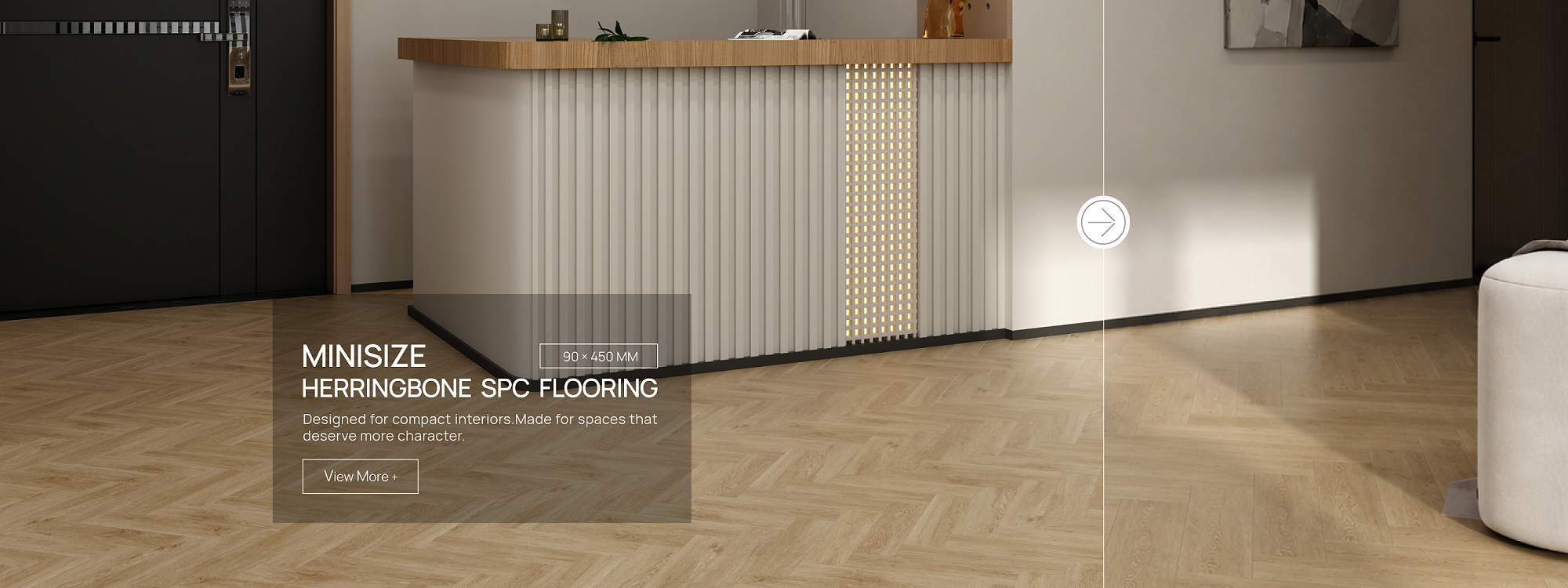
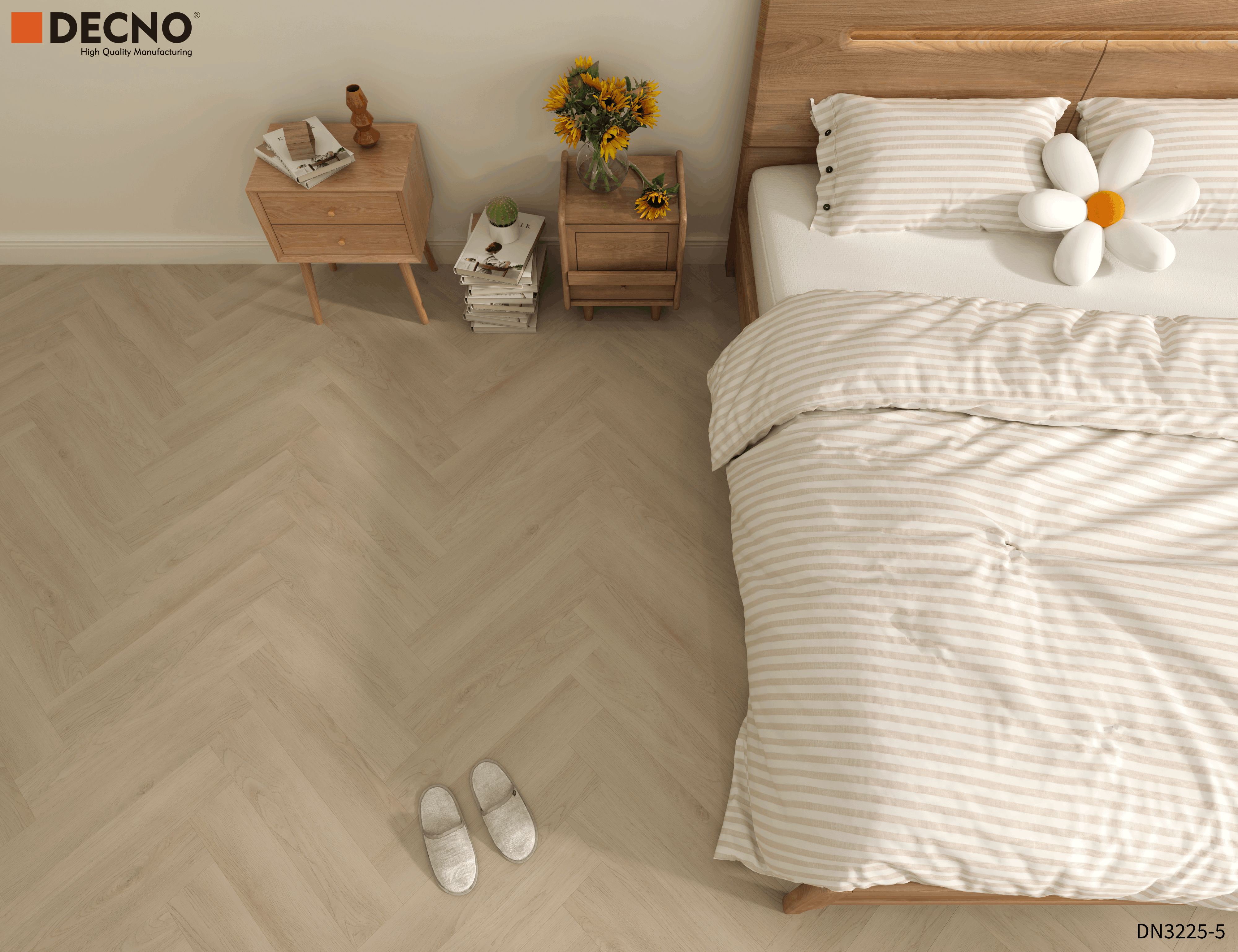
Global consumers are showing a strong preference for natural-looking flooring designs. Warm wood tones, realistic textures, matte finishes, and large-format planks dominate interior trends. Flooring is expected to blend seamlessly with walls, furniture, and overall space design, creating calm, cohesive, and comfortable environments.
As a result, complete flooring systems—including matching accessories and wall solutions—are becoming more attractive for project-based buyers and premium markets.
Digitalization Transforms the Buying Experience
Digital tools are reshaping how flooring products are marketed and sold internationally. Online 3D visualization, AR room simulations, and virtual showrooms allow buyers to evaluate products remotely with greater confidence. These tools shorten decision cycles and improve communication between suppliers and overseas clients.
In 2026, successful flooring brands are those that combine strong product quality with digital presentation, storytelling, and efficient online-to-offline sales strategies.
Global Opportunities with Regional Strategies
While Asia-Pacific markets continue to grow rapidly due to urbanization and infrastructure development, Europe and North America remain quality-driven markets with strict regulatory standards. This makes product differentiation and market-specific positioning more important than ever.
Export-oriented flooring suppliers are increasingly developing tailored product lines—premium certified collections for developed markets and cost-effective, durable solutions for emerging regions.
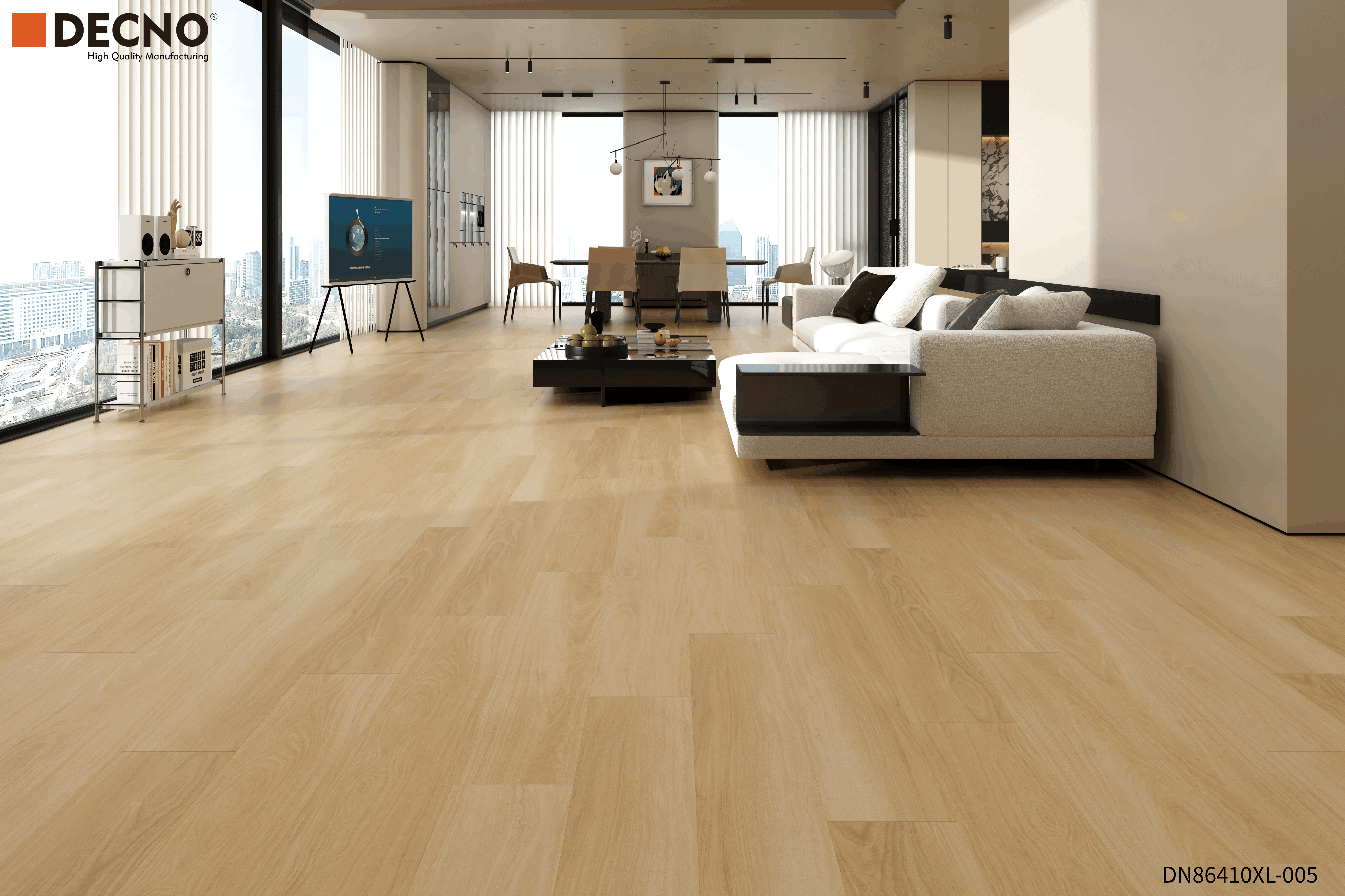
The flooring industry in 2026 is defined by innovation, responsibility, and adaptability. Companies that invest in sustainable materials, advanced technology, refined design, and digital capabilities will be best positioned to succeed in the global market.
Flooring is no longer just what we walk on—it is a foundation for healthier spaces, smarter design, and a more sustainable future.
Previous: Best SPC Flooring Supplier in China


 Español
 Alemán
 عربى
عربى Français